
Red Sea Shipping Disruption Enters Critical Phase: Maritime Rerouting Drives E-Commerce Freight Surcharges
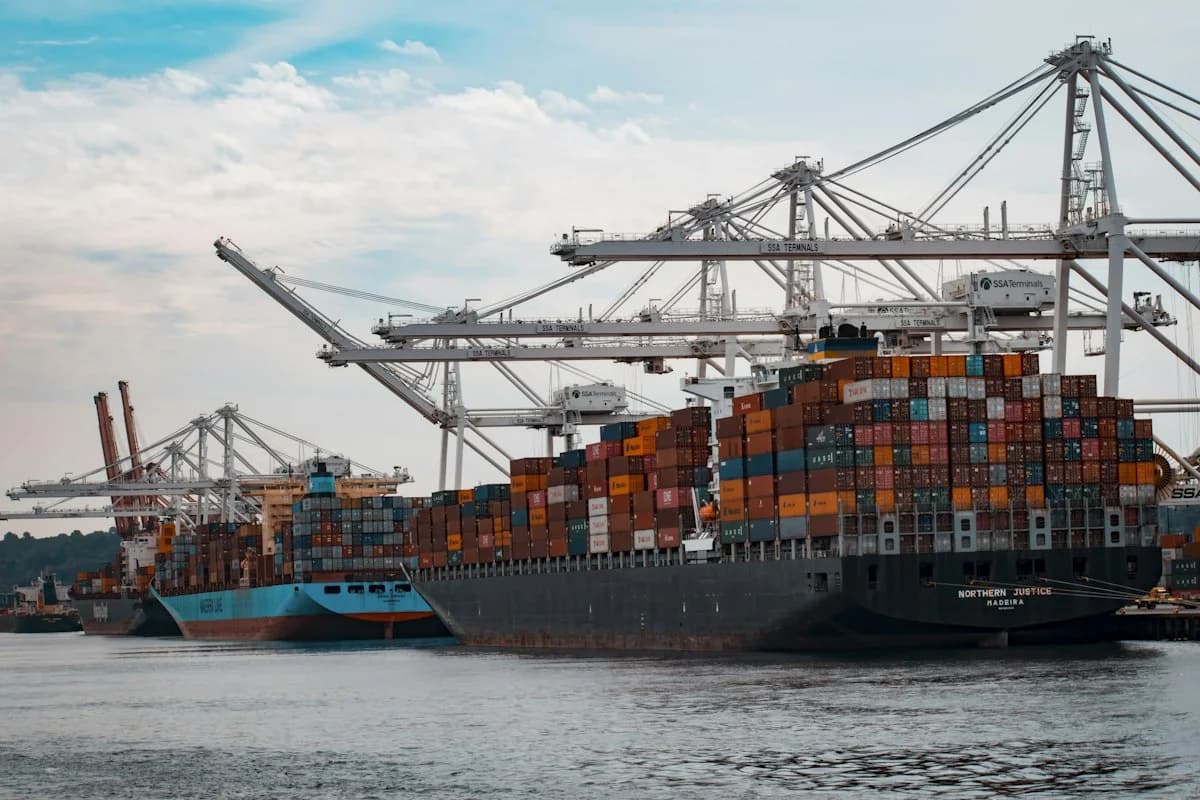
Container ships navigating around the Cape of Good Hope add 14 days to Asia-Europe trade lanes, reshaping inventory buffers and digital fulfillment operations.
Primary journalism sourced and verified via Financial Times (International Logistics & Trade Desk).
Associated Market Telemetry
- Transit transit times between East Asian manufacturing hubs and North European ports have lengthened by 10 to 14 days.
- Maritime insurance premiums for Red Sea transits remain at prohibitive emergency levels of 0.7% to 1.0% of vessel value.
- Omnichannel e-commerce retailers are expanding regional micro-fulfillment warehouses and integrating predictive inventory replenishment software.
Executive Situation Briefing
Persistent maritime security threats around the Bab el-Mandeb strait have forced more than 80% of Asia-Europe container transit around the southern tip of Africa. Global freight indices indicate spot container rates remain elevated by 160% year-on-year, pushing brands to rethink real-time logistics architectures.
As global commercial supply chains, telecommunication infrastructure, and financial systems become increasingly intertwined with international geopolitical security, enterprise decision-makers must account for external shocks across logistics timelines, cloud infrastructure availability, and sovereign compliance mandates.
How Modern Digital Systems Must Adapt
E-commerce stores and Shopify enterprise brands must modernize ERP integrations, implement real-time shipping carrier API telemetry, and set dynamic delivery estimation engines to protect checkout conversion rates during extended transit cycles.
Insulate Your Digital Business Against Global Volatility
HASIZ builds resilient, multi-region web architectures, high-converting e-commerce systems, and automated operational software designed to perform uninterrupted through global market shifts.